Summary
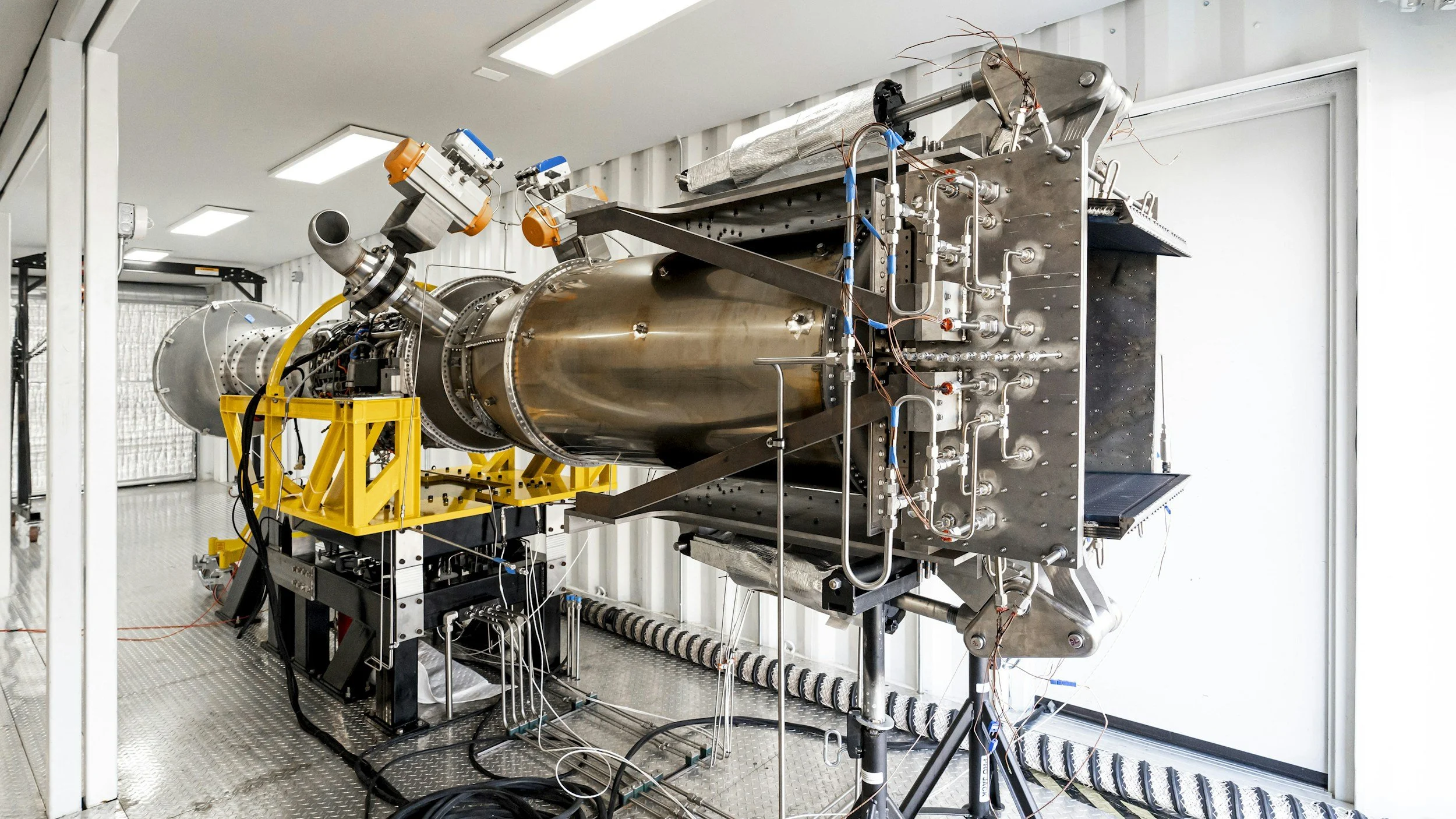
My Career Goal is to Become an aerospace engineering that specializes in propulsion systems for aircraft and spacecraft. I am currently pursuing an Associates in both Engineering and Science at Sandhills Community College and am preparing to transfer toa four-year engineering program with a focus on mechanical or aerospace engineering. My academic preparation includes; mathematics, physics, engineering problem solving, and technical analysis
Through coursework and independent projects, I have developed skills in mechanics, thermodynamics concepts, computer-aided modeling, systems troubleshooting, and data analysis. I have applied these skills through engineering calculations, physics models, and projects that required critical thinking and evidence based decision-making.
My interests align closely with NASA’s mission to advance aeronautics, space exploration, scientific discover, and technology development. Propulsion systems play a critical role in launch vehicles, spacecraft maneuvering, aircraft performance, and future exploration missions. By developing expertise in fluid dynamics, combustion, propulsion, and aerospace systems, I aim to contribute ot the next generation of aerospace technologies.
Engineering Mechanics (Statics and Dynamics)
Physics based Modeling
Calculus and Advanced Mathematics
Technical Problem-Solving
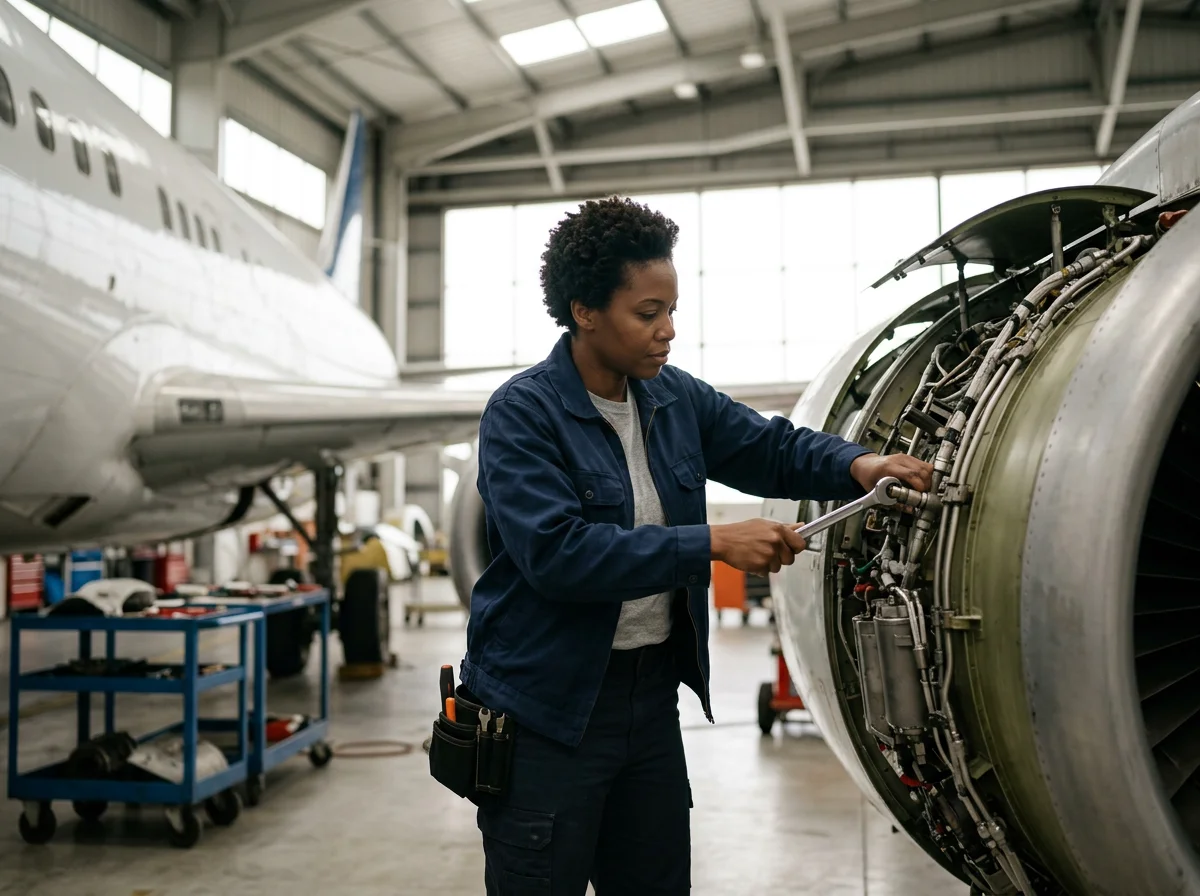
Mechanical Systems Diagnostics
Engineering Design Process
Research and Independent Learning
CAD Software and Microsoft
Technical Skills
Experiences and Projects
Engineering Statics and Structural Analysis
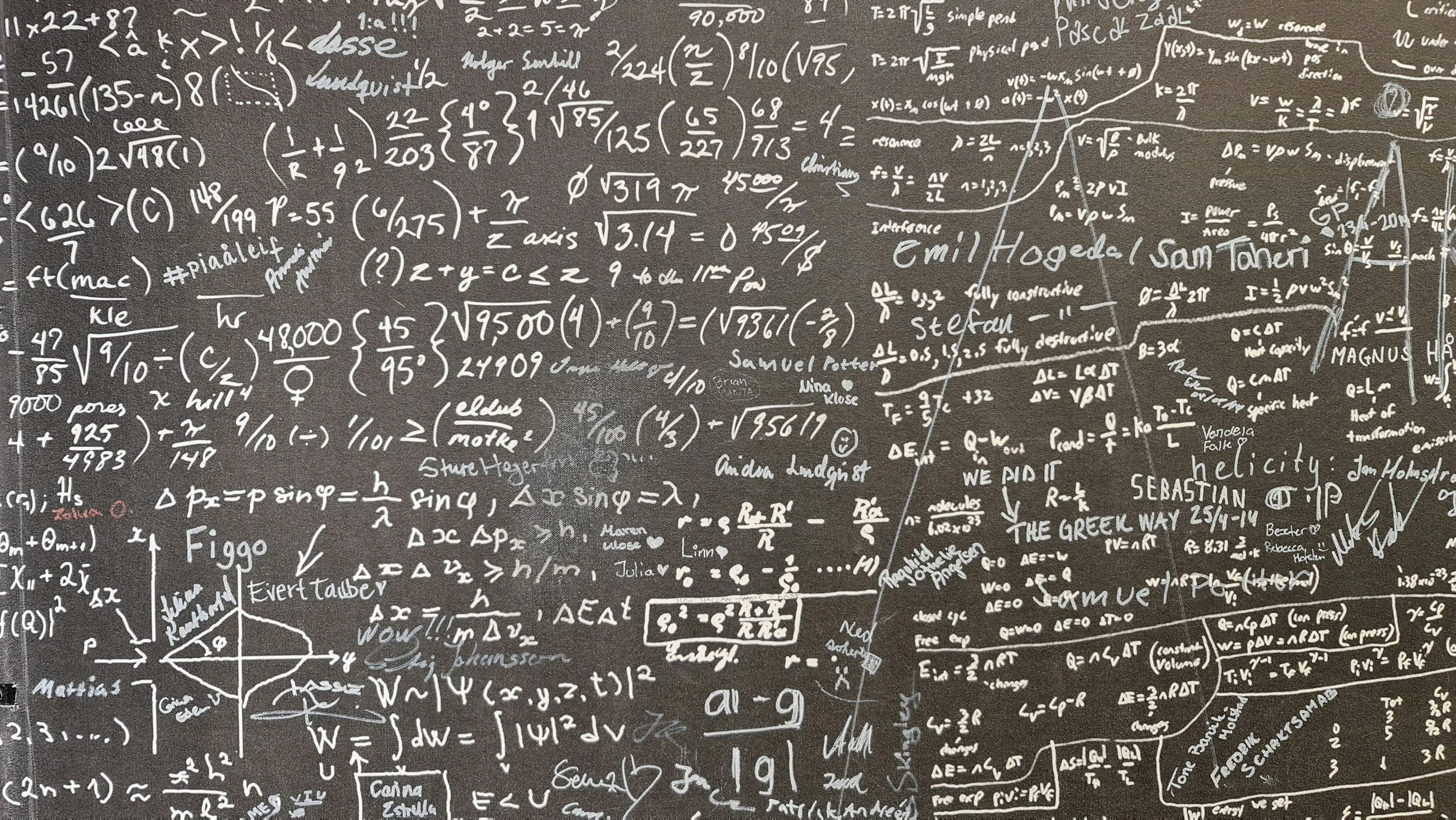
Completed coursework and problems relating reaction forces, beam analysis, frame equilibrium, and moment calculations using engineering mechanics principles. Applied Mathematical modeling to determine load distributions and structural responses. Developed Proficiency in diagrams and engineering problem-solving methodologies. Strengthened the understanding of how forces act and react in complex systems
NASA Industry Alignment
Structural analysis is essential in aerospace vehicle design because aircraft and spacecrafts must withstand significant aerodynamic and launch loads. These concepts support aerospace engineering work involving launch vehicles, spacecraft structures, and flight hardware. Understanding force distribution and system behavior contributes directly to design and safety evaluation activities performed throughout the aerospace industry
Student Rocketry Research and Development
As a member of the Sandhills Community College Rocket Club (SCCRC), I participated in design, analysis, fabrication, and testing of small solid-fuel rockets. Responsibilities included flight trajectories, analyzing aerodynamic stability, developing components using computer-aided design (CAD), assisting with fabrication, and supporting flight testing. The project required applying engineering principles to improve rocket performance, safety, and reliability while documenting design decisions and test results.
NASA Industry Alignment
This experience closely reflects the engineering lifecycle used in NASA and the aerospace industry, where launch vehicles and propulsion systems undergo extensive design, simulation, manufacturing, and testing before deployment. Flight path analysis and stability modeling relate directly to aerospace guidance, navigation, and flight dynamics disciplines. CAD design and fabrication experience support aerospace hardware development, while test operations develop skills in data collection, verification, and iterative engineering improvement. The project strengthened my understanding of propulsion systems, systems engineering, and the integration of analytical predictions with real-world flight performance.
Mechanical and Performance Diagnostics
Conducted troubleshooting and performance analysis on a Suzuki GSX-R1000 motorcycle system, including fuel management, airflow considerations, and engine performance optimization. Investigated the interactions between mechanical subsystems and engine operation. Applied structured diagnostic methods to identify system behavior and performance limitations. Documented findings and evaluated potential improvements.
NASA Industry Alignment
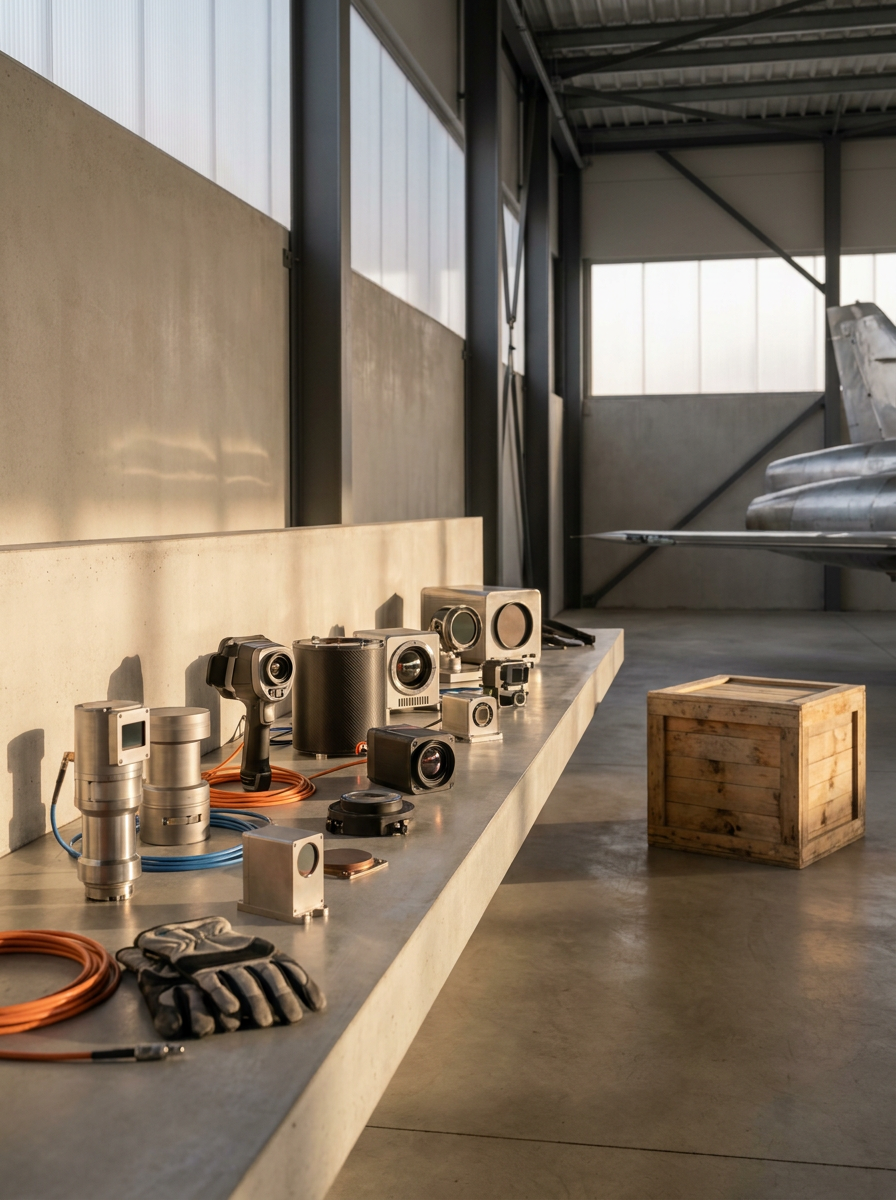
Propulsion engineering requires understanding how multiple mechanical systems interact to achieve efficient performance. The analytical problem-solving process used in diagnostics mirrors engineering test and evaluation practices used throughout aerospace industries. Experience with complex mechanical systems supports future work involving propulsion testing, system integration, and performance optimization.
NASA Career Pathway Alignment
References
National Aeronautics and Space Administration (NASA)
National Aeronautics and Space Administration (NASA).
STEM Engagement and Aerospace Workforce Development Resources
Bureau of Labor Statistics.